Categories
Categories

What is a Palm Vein Scan and How Does it Work?

Palm Vein Reader: Revolutionizing Biometric Security Across Banking, Healthcare, Government, and Smart Access Control Utilizing near-infrared vein pattern scanning for 99.999% anti-spoofing accuracy, this contactless authentication device replaces passwords and fingerprints in ATMs, hospital pharmacies, and secure government facilities. It enables millisecond-level access control in smart campuses and data centers while safeguarding patient privacy in e-health systems. The non-contact desi
Jun 26th,2025 408 Views
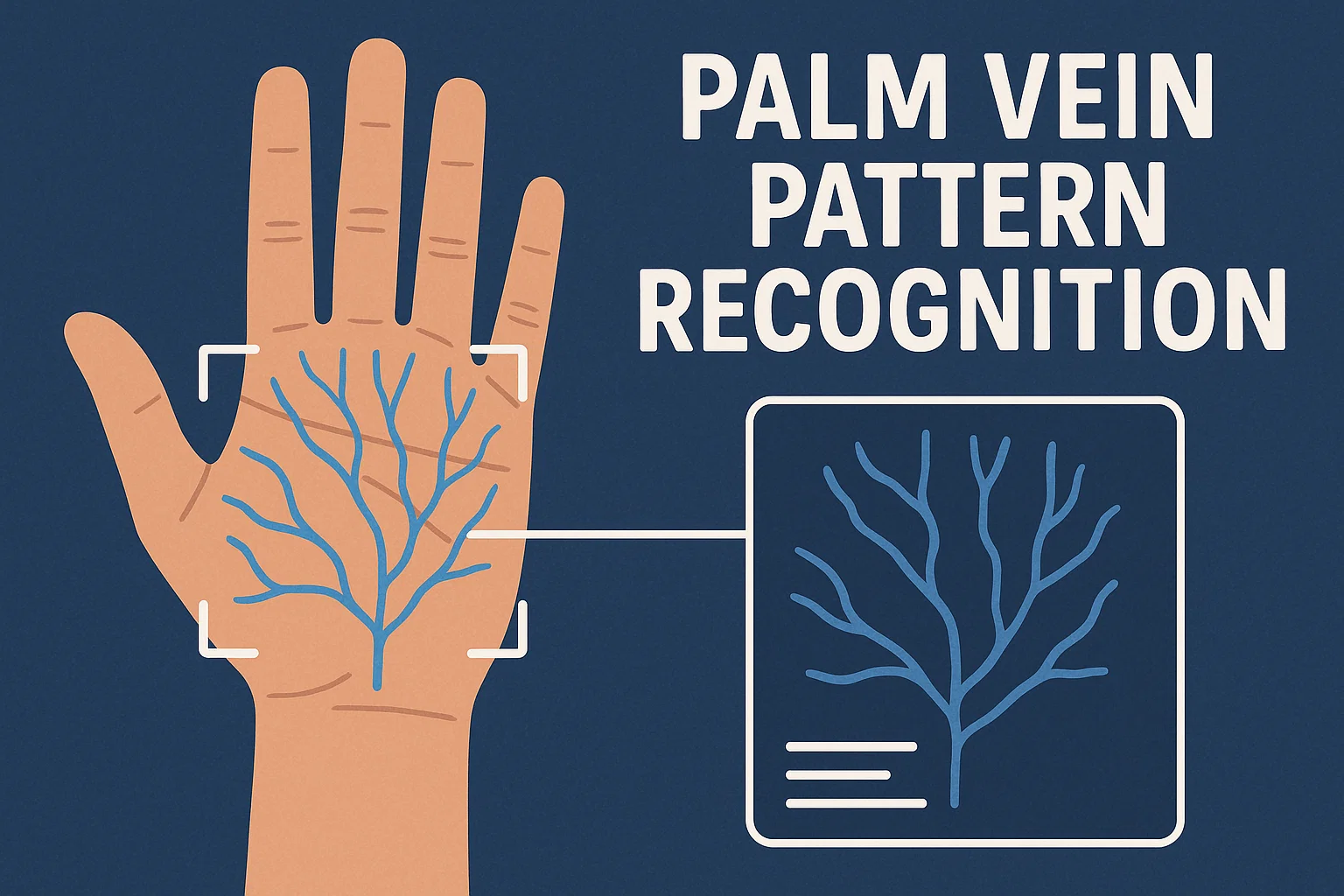

Palm Vein Pattern Recognition
The unique vascular pattern in your palm serves as your biological password that cannot be lost, stolen, or forgotten.

1. RGB captures palm image          2. IR captures vein patterns        3. Generates unique feature ID and matches it
Understanding Palm Vein Technology

Palm vein scanning is a biometric authentication technology that uses near-infrared light to capture the unique vein pattern beneath the skin of your palm. Unlike fingerprints that capture surface features, palm vein scanners detect the hemoglobin in your blood, creating a map of your internal vascular structure that’s completely unique to you.

How It Works

When you place your palm over the scanner, near-infrared light is emitted and partially absorbed by the hemoglobin in your veins. The scanner captures this pattern as a dark network against a lighter background. This vein pattern is then digitized, encrypted, and stored as a template for future authentication. The entire process takes less than a second and works without any physical contact with the device.

Superior Security Features

  • Internal biometric: Unlike fingerprints or facial features that are external and can be replicated, vein patterns are internal and invisible to the naked eye.
  • Liveness detection: The system only works with blood actively flowing through veins, making it impossible to fool with replicas or photographs.
  • Non-duplicable: The complex vascular patterns are nearly impossible to forge or duplicate, offering a 1 in 34 billion chance of false acceptance.